The Evolution of Web Design in Virtual Reality
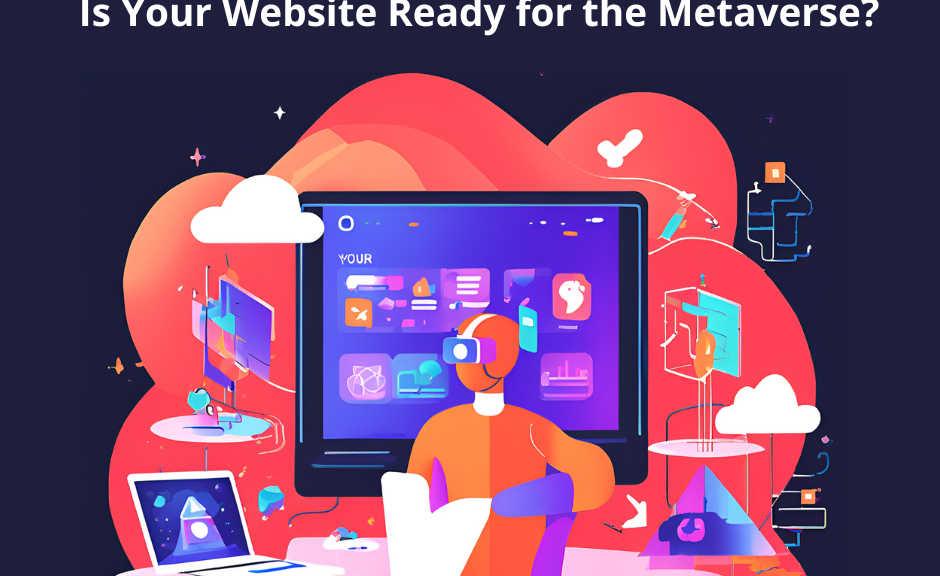
The internet as we know it is changing rapidly. With the rise of the metaverse, websites are no longer confined to two-dimensional screens. Instead, they are transforming into immersive, interactive experiences that users can navigate in three-dimensional space. But what does this mean for web designers and developers?
Key Features of Metaverse-Ready Websites
- 3D Interfaces and Navigation
Websites in VR will feature fully interactive 3D environments, where users can walk through digital spaces, interact with objects, and access information intuitively.
- Immersive UI/UX
Traditional buttons and menus will be replaced by gesture-based controls, voice commands, and spatial interactions that make navigation feel more natural.
- Virtual Avatars
Instead of static user profiles, people will be represented by avatars that can engage in real-time interactions within websites.
- Decentralized Infrastructure
Blockchain and Web3 technologies will play a crucial role in the metaverse, enabling decentralized ownership of digital assets and secure transactions.
- AI-Driven Personalization
Artificial intelligence will tailor VR experiences dynamically, adjusting environments, recommendations, and content based on user behavior.
Challenges in Designing for the Metaverse
- Performance Optimization: VR experiences require significantly more processing power than traditional websites. Optimizing load times and responsiveness will be critical.
- Cross-Platform Compatibility: Websites must function across different VR headsets and AR devices.
- Accessibility: Ensuring inclusivity in a three-dimensional space poses new challenges for designers.
The Future of VR Web Design
As the metaverse continues to evolve, businesses must prepare for this shift by experimenting with 3D web technologies, immersive experiences, and spatial design principles. Early adoption will provide brands with a competitive edge in the next digital frontier.